Access problems in SE11 staircase removals solutions
Posted on 18/06/2026

Access Problems in SE11 Staircase Removals Solutions
If you are moving in SE11, you already know the challenge is rarely just the lifting. It is the staircases, the narrow landings, the awkward corners, the shared entrances, and the quiet dread of realising your sofa looked much smaller in the old flat. Access problems in SE11 staircase removals solutions matter because a move can go smoothly on paper and still fall apart at the front door. This guide breaks down what actually causes access trouble in SE11, how professional removals teams work around it, and what you can do before moving day to save time, stress, and the odd bruised shin.
SE11 is full of varied housing stock, from converted Victorian properties to mansion blocks and compact flats. That variety is lovely to live in, but it can make removals tricky. The good news? Most access problems are manageable if they are identified early and handled properly.
Why Access problems in SE11 staircase removals solutions Matters
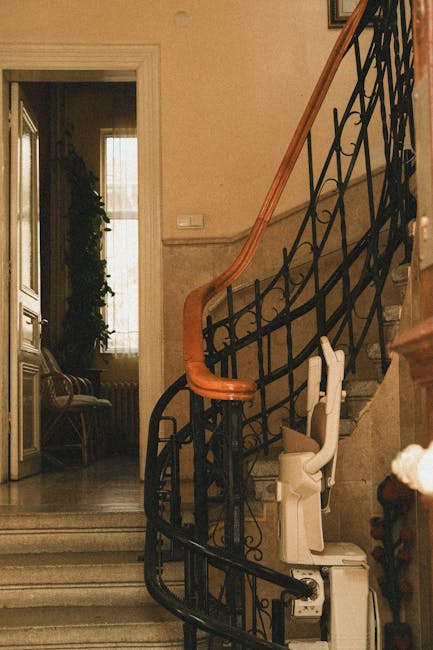
Access issues sound minor until they are not. In a staircase removal, every extra turn, narrow tread, low ceiling, or tight landing adds friction. In SE11, that friction shows up often enough to deserve proper planning. The difference between a calm move and a chaotic one is usually not strength. It is access management.
Why does this matter so much? Because poor access affects almost every part of the move:
- how long loading and unloading takes
- how many people are needed on site
- whether furniture has to be dismantled
- what size van can safely be used
- the risk of damage to walls, banisters, floors, and furniture
- whether lift access, parking, or route planning needs extra coordination
To be fair, most people only notice these issues when they are already carrying something heavy up two flights of stairs. By then, it is a bit late. In practical terms, SE11 removals often involve shared stairwells, basement steps, first-floor flats, and buildings where the entrance looks straightforward but the internal route is anything but.
This is also where good planning saves money. Access delays can create overtime, extra handling, or the need for a second attempt. If you have ever watched a wardrobe get stuck halfway around a stair bend, you will know the sound of silence that follows. Not ideal.
For wider removal planning, it can also help to understand the service options available through removal services in Lambeth and how different move sizes are handled. If you are comparing providers, the overview on services overview is a useful place to start.
How Access problems in SE11 staircase removals solutions Works
The basic idea is simple: identify the access barrier early, then match the moving method to the building rather than forcing the building to fit the move. In SE11, that usually starts with a proper access check.
A good removals plan for staircase-heavy properties usually includes the following:
- Pre-move assessment - measure key items, check stair width, landing size, ceiling height, and entry points.
- Route planning - decide how furniture will travel from room to vehicle without backtracking through tight spaces.
- Dismantling plan - identify items that should be taken apart before the move, such as bed frames or table legs.
- Protection setup - use floor covers, corner protection, and blankets to reduce damage in shared areas.
- Vehicle match - choose a van size that suits the route, parking space, and loading point.
- On-site coordination - allocate enough crew members to keep lifting controlled and avoid bottlenecks on the stairs.
Sometimes access is limited by the staircase itself. Sometimes it is the road outside. In SE11, both can matter. A move can be delayed by a long carry from the van to the entrance just as easily as by a slim spiral staircase inside the building.
When access is especially tight, a smaller vehicle can be the smarter option. Services such as man with a van in Lambeth or man and a van in Lambeth are often a better fit for compact routes, while larger household moves may call for house removals in Lambeth.
The key thing is this: the solution is rarely one single trick. It is a combination of measurements, packing decisions, handling technique, and scheduling. That is what makes the move workable.
Key Benefits and Practical Advantages
When staircase access is managed properly, the whole move feels lighter. Not physically lighter, obviously. That would be nice. But operationally lighter. Things flow better, and the team spends less time wrestling with the environment.
- Less damage risk - careful access planning protects stairs, doors, furniture, and neighbouring flats.
- Faster movement - fewer bottlenecks mean fewer stops and fewer awkward resets on the landing.
- Better safety - clear routes reduce slips, trips, and strained lifts.
- Lower stress - everyone knows the plan, which matters more than people admit.
- More accurate pricing - a realistic access assessment helps avoid hidden costs and last-minute surprises.
There is also a subtle benefit that people often overlook: good access planning reduces decision fatigue. Instead of trying to solve problems in real time with a heavy chest of drawers in your hands, you already know the sequence. One item at a time. One stairwell at a time.
That matters most in dense urban moves where timing is tight. If you are working against building rules, parking limits, or same-day timelines, access mistakes get expensive quickly. For moves that need to happen fast, it is worth reading about same-day removals in Lambeth and how delays can affect the job.
Who This Is For and When It Makes Sense
Access problems in staircase removals solutions are especially relevant if you live or are moving into a property with any of the following:
- narrow or steep internal stairs
- top-floor flats without lift access
- split-level layouts
- converted townhouses with awkward turns
- shared entrances with limited working room
- basement or raised-ground-floor entrances
- restricted parking outside the property
It also makes sense if you are moving:
- bulky furniture such as wardrobes, sofas, or beds
- delicate items that must not be tilted too far
- office equipment that needs careful handling
- student belongings with lots of small boxes and not much space
In SE11, this often comes up for flat moves rather than larger houses, although not always. Some house removals are straightforward. Some one-bedroom flats are absolute puzzles. Funny how that works.
If your move includes awkward items, you may also want to look at furniture removals in Lambeth for a more item-specific approach, or flat removals in Lambeth if the whole property is compact and stair-dependent.
Students, renters, and first-time movers tend to benefit the most from planning support, simply because they often underestimate how quickly stairs eat into time. Landlords and managing agents also benefit, because cleaner handling means fewer complaints. Everyone wins. Rare, but nice when it happens.
Step-by-Step Guidance
If you want a practical route through the problem, follow this sequence.
- Walk the route from room to van
Measure stair width, landing width, and the tightest turning point. If you cannot move a measuring tape through comfortably, a sofa probably will not enjoy it either. - List the largest items first
Bulky items define the move. Sofas, mattresses, wardrobes, desks, and appliances should be checked before anything else. - Decide what should be dismantled
Many problems disappear when beds, table legs, and modular furniture are taken apart in advance. Keep screws and fittings labelled in a simple bag. - Check parking and waiting space
Even a perfect staircase plan can fail if the vehicle cannot stop close enough to the building. - Protect the building first
Use stair protectors, blankets, and door guards before heavy items start moving. It is far easier than cleaning up marks later. - Load in the right order
Heavy, stable items first; fragile and awkward items secured around them. The loader should think like a puzzle player, not just a packer. - Keep a clear chain of communication
One person should direct movement through the staircase. Too many voices on a narrow landing is how people end up saying "careful" eleven times in a row.
If access is severe, it may be better to split the move into smaller loads or use a vehicle that suits the site better. That is where a removal van in Lambeth can be a sensible middle ground, especially when there is room for multiple short trips rather than one large one.
And if you need to compare what type of support is available, the pricing and quotes page gives you a clearer sense of how moving scope is usually estimated.
Expert Tips for Better Results
A few practical habits make a noticeable difference. Not glamorous, but effective.
- Measure the diagonal, not just the width. A sofa might fit when tilted even if it looks impossible at first glance.
- Use the first site visit to spot pinch points. Look for bannisters, light fittings, low stair landings, and tight door swings.
- Pack by stair difficulty. Put the hardest-to-manoeuvre items where they can be reached first.
- Avoid overstuffing boxes. On stairs, balance matters more than volume. A heavy, unstable box is a nuisance and a hazard.
- Clear hallways early. Coats, shoes, plant pots, and loose mats create tiny problems that become big problems fast.
- Talk to neighbours if space is tight. A little courtesy goes a long way when shared access is involved.
One thing people often forget: stairs are not just a passage, they are a working zone on move day. If the staircase is also the only route out, every minute of delay affects the whole property. So, keep it clear. Keep it calm.
For some moves, storage is part of the answer. If there is no safe way to move everything at once, temporary storage can reduce pressure and make the stair case less congested. You can see the available options through storage options if you are planning a phased move, though do keep in mind that the URL contains a placeholder and may not be suitable as a live link on every site setup. If not used, it is better left out than guessed.
When in doubt, ask for a plan that reflects the building, not a generic checklist. Generic plans are where the trouble starts, truth be told.
Common Mistakes to Avoid
Most stair access problems are predictable. That is the annoying part. The mistakes repeat because people assume the move will just work itself out.
- Not checking the staircase in person. Photos can hide tight turns and awkward landings.
- Forgetting about the route outside the building. A good stair plan means little if the van cannot park sensibly.
- Leaving dismantling until the morning of the move. That is when delays begin piling up.
- Using boxes that are too large or too heavy. On stairs, smaller and balanced is often better.
- Ignoring building rules. Shared spaces, lift reservations, and move windows can affect timing quite a bit.
- Choosing the wrong vehicle size. Bigger is not always better if access is limited.
- Underestimating the need for protection. Scratched paint and scuffed banisters cause avoidable tension.
A smaller mistake, but still common: people pack the item they will need first at the back of the load. Then everyone stands around looking for a kettle, a charger, or the bathroom box. Been there, seen that, not fun.
If you want to avoid surprise costs linked to access, it helps to understand the warnings in hidden charges in Lambeth removals. Some fees are avoidable if the access picture is clear from the start.
Tools, Resources and Recommendations
You do not need a van full of specialist kit to handle access issues, but a few basic tools help a lot.
- Measuring tape - for stair width, landing depth, and furniture dimensions
- Furniture blankets - to reduce impact on corners and banisters
- Ratchet straps - for securing items in the vehicle
- Labels and marker pens - for dismantled furniture and box priority
- Stair protection or floor covers - especially useful in shared properties
- Gloves with grip - helpful for controlled carrying on narrow stairs
- Clear packing tape - strong enough to keep boxes closed, but neat enough for easy handling
There is also value in using services that align with your move type. For example, if the property is small and the access route is difficult, man and van in Lambeth may be better suited than a larger operation. For bigger homes, house removals in Lambeth are often a better operational fit.
For customers comparing general options, a wider read through removals in Lambeth can help frame what kind of support makes sense. And if the move is business-related, office removals in Lambeth may be worth looking at too, because access planning for desks and IT equipment has its own rhythm.
Sometimes the best recommendation is simply this: choose the team that asks good questions. If they ask about stairs, parking, lift access, item dimensions, and floor level before quoting, that is usually a promising sign.
Law, Compliance, Standards, or Best Practice
For staircase removals, the most relevant concern is safety and reasonable care. In UK moving practice, that usually means planning lifts properly, avoiding unsafe manual handling, and protecting both people and property. Exact legal duties can vary by situation, but the practical standard is straightforward: no rushed lifting, no guesswork, no blocking escape routes, and no ignoring obvious hazards.
If you are moving in a block with shared areas, it is also sensible to follow the building's move rules and be considerate of neighbours. That sounds obvious, yet it is often where friction starts. Lift bookings, designated moving windows, and hallway protection are usually there for a reason.
In professional removals, good practice typically includes:
- safe lifting techniques and team coordination
- protecting floors, walls, bannisters, and doors
- checking whether items need dismantling before carrying
- confirming insurance and handling expectations
- keeping access routes free from trip hazards
If you are comparing providers, it is sensible to review how they describe their approach to insurance and safety, and how they handle business practices such as terms and conditions. You do not need legal fine print in your head, but you do want clarity.
For anyone concerned about accessibility in the broader sense, the accessibility statement is also useful reading, particularly if your move needs extra consideration for mobility, route planning, or building layout.
Options, Methods, or Comparison Table
There is no single best approach for every SE11 staircase move. The right method depends on property type, item size, parking, and the number of flights involved.
| Method | Best for | Pros | Trade-offs |
|---|---|---|---|
| Full-service removals | Larger homes, tricky access, multiple bulky items | More hands, better coordination, lower strain on you | Usually costs more than smaller options |
| Man and van | Smaller flats, lighter loads, short-distance moves | Flexible, often efficient for awkward access | Less suitable for large furniture-heavy moves |
| Van with dismantling support | Items that will not fit cleanly through stair turns | Reduces the risk of getting stuck mid-route | Needs more preparation time upfront |
| Staged move with storage | Phased moves, renovations, or limited access times | Reduces pressure on the stair route | Requires extra coordination and timing |
If the access issue is the main problem, a smaller and more nimble setup can beat brute force almost every time. A slightly longer schedule is often better than a damaged wall or an exhausted team. Simple as that.
Case Study or Real-World Example
Here is a realistic SE11-style scenario. A renter is moving out of a third-floor flat in a converted building. The staircase is narrow, the landing at the top is tight, and there is no lift. The main items are a wardrobe, bed frame, mattress, desk, two sofas, and a stack of boxes. On paper, it looks manageable. In reality, it needs thought.
The move works because the team does three things well.
- They measure the wardrobe and bed frame in advance and decide both will be dismantled.
- They reserve a vehicle that can park as close as possible and keep the carry distance short.
- They pack the boxes by weight so that no single box becomes a stair hazard.
That sounds modest, but it changes the whole day. Instead of fighting the stairwell, the team uses it. One item at a time, cleanly carried, with no last-minute panic. The tenant gets out on schedule, the property stays protected, and the move feels orderly. Not perfect, because moves rarely are, but orderly enough to breathe through.
This is where location-specific experience matters. A move in a dense London area often benefits from route familiarity, local timing awareness, and realistic vehicle planning. If you want a broader view of local moving support, the about us page can help you understand the company's approach and working style.
Practical Checklist
Use this checklist before moving day. It keeps the important things visible.
- Measure the tightest staircase points, including landings and turns.
- Measure your largest furniture items, especially sofas, wardrobes, and bed frames.
- Confirm whether anything needs dismantling.
- Check parking availability and walking distance from van to entrance.
- Ask whether lift access is available or must be booked.
- Protect floors, bannisters, and doorframes.
- Pack heavy items in smaller boxes.
- Label fragile and priority boxes clearly.
- Keep screws, fixings, and tools together in one bag.
- Tell neighbours or building management if access will be busy.
- Review insurance and handling terms before the move.
- Keep essentials separate for immediate access at the new place.
A small note from experience: if you finish the checklist the night before, you will sleep better. Not perfectly, let's face it, but better.
Get a free quote today and see how much you can save.
Conclusion
Access problems in SE11 staircase removals solutions are really about one thing: making a difficult route feel manageable. The stairs are not the enemy. They are just part of the building, and once you understand their shape, you can plan around them.
The smartest approach is usually simple. Measure carefully, pack sensibly, dismantle what you can, protect the route, and choose a moving method that suits the building rather than fighting it. When that happens, the whole move becomes steadier, safer, and far less stressful.
If you are preparing for a move in SE11, give the access route the same attention you give the boxes. That one shift can save you a surprising amount of hassle. And honestly, a calm move feels good. You notice it in the first quiet moment after the last box is in. That little exhale. Worth planning for.
![Professional Movers Services at Unbeatable Prices in [LOGO_TITLE]](../../pub/actonmovers-banner.png)